
Your weekly edit: countdown to the International Booker Prize 2026
This week, International Booker Prize 2026 judge Sophie Hughes on how to read more; how indie publishers became the cornerstone of the prize; plus this year’s shortlistees on 'fiction beyond borders'

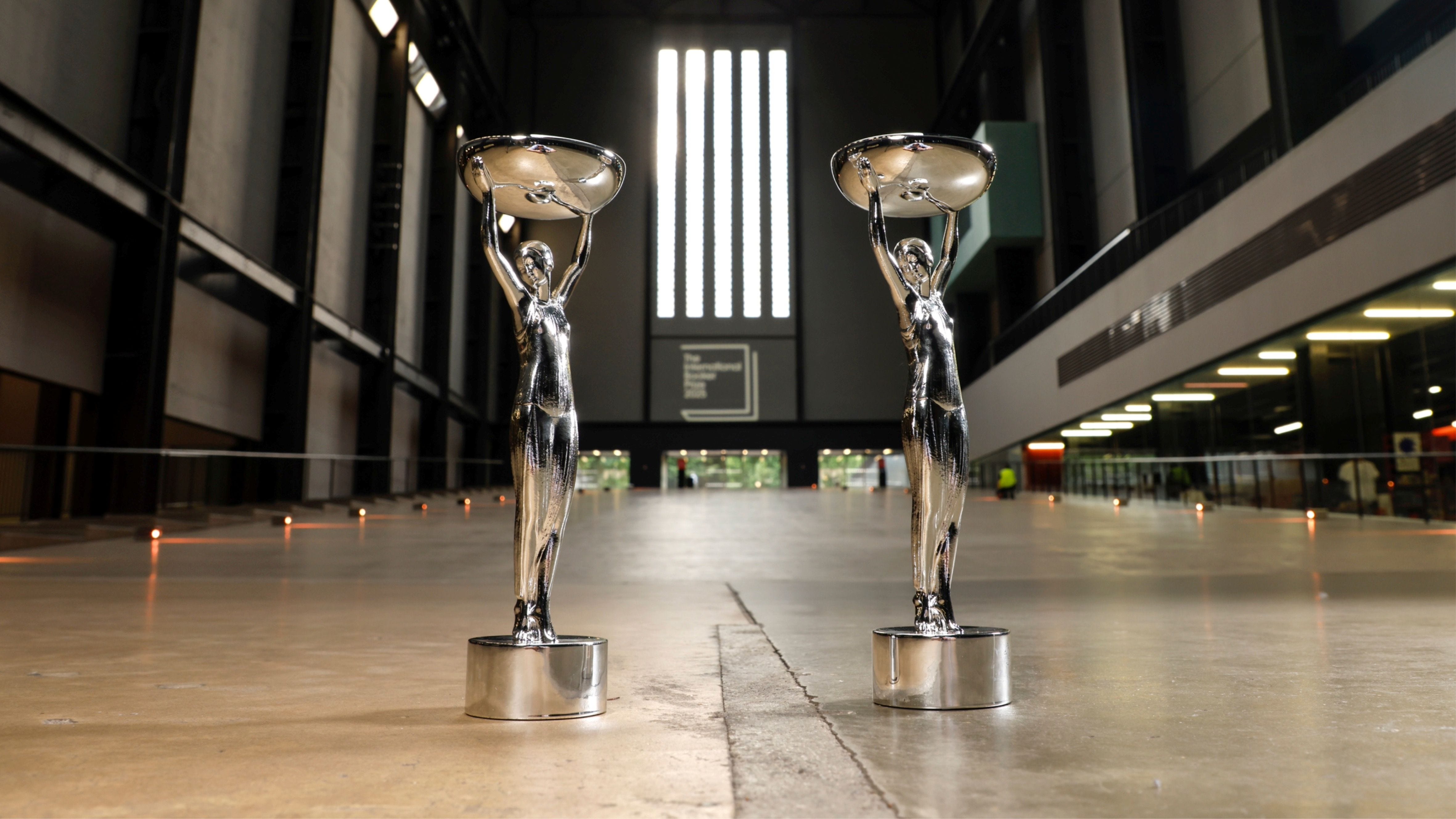
It’s only a few days now until the International Booker Prize 2026 ceremony at London’s Tate Modern, where this year’s winning book will be revealed. Join us online on Tuesday, 19 May if you can! We’ll be sharing red-carpet highlights across our socials before the big reveal. Then, from 10:05pm BST, we’ll be live-streaming the winner announcement on our YouTube channel. We’ll be sharing the winner news here on Substack, too.
In the meantime, we’ve got three excellent articles for you this week:
Sophie Hughes – literary translator and International Booker Prize 2026 judge – explains how to fit more fiction into your life, precisely when you think you can’t
Fiammetta Rocco – Emeritus Director of the International Booker Prize – examines how indie publishers have become the cornerstone of the International Booker Prize
And finally, this year’s shortlisted authors and translators discuss what ‘fiction beyond borders’ (the 2026 prize’s campaign theme) means to them
Scroll down for a gallery of gorgeous pics from last week’s International Booker Prize 10th anniversary celebration, and for a reminder about this evening’s shortlist readings, which we’ll be livestreaming from 6.30pm BST.
Sophie Hughes on finding time to read more
‘Reading 128 works of translated fiction as an International Booker Prize 2026 judge roughly equated to finding four or five extra hours in my day, every day, for half a year. Friends would ask me if I’d lost my mind when I spelled it out to them…
‘Having found quite a lot of time this year for reading, here is some cautiously tendered advice, hopefully feasible for most people who want to read more. It also happens to be one method by which I not only read but also engaged with every one of this year’s submissions.’
How independent publishers have become the cornerstone of the International Booker Prize
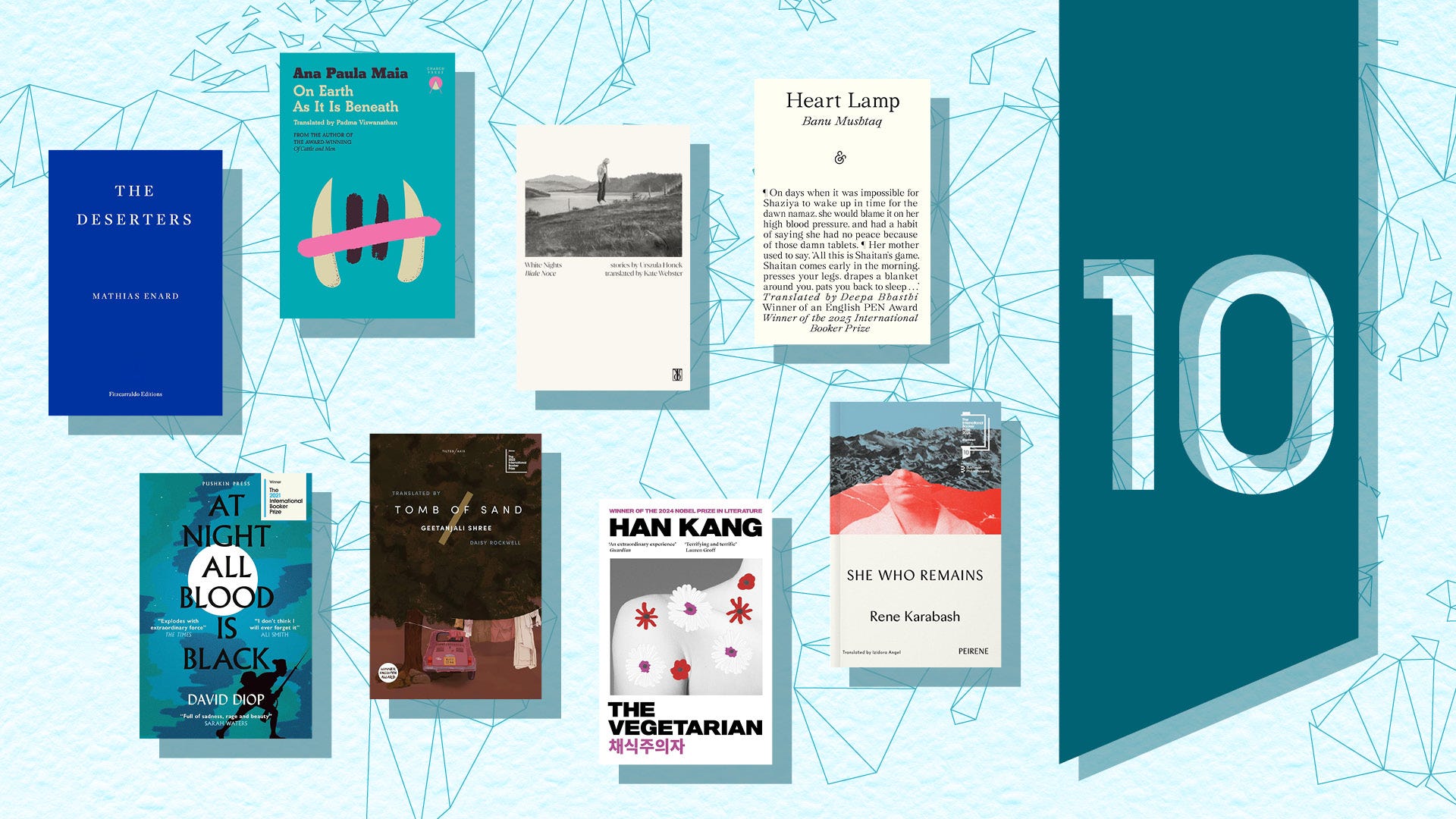
‘The aim is to publish books and authors we believe in: ambitious, innovative, contemporary… The point was, from the very beginning, to take risks’ – Jacques Testard, publisher, Fitzcarraldo Editions
Fiammetta Rocco takes a deep dive into who is publishing translated fiction in the UK now, revealing that the majority of publishers submitting books for the International Booker Prize are independent ones. In this piece, publishers and editors talk about passion, risk-taking, and how indie presses have helped shape the UK’s translated fiction market.
‘Fiction that has travelled beyond borders puts us into a visceral conversation with our fellow humans’
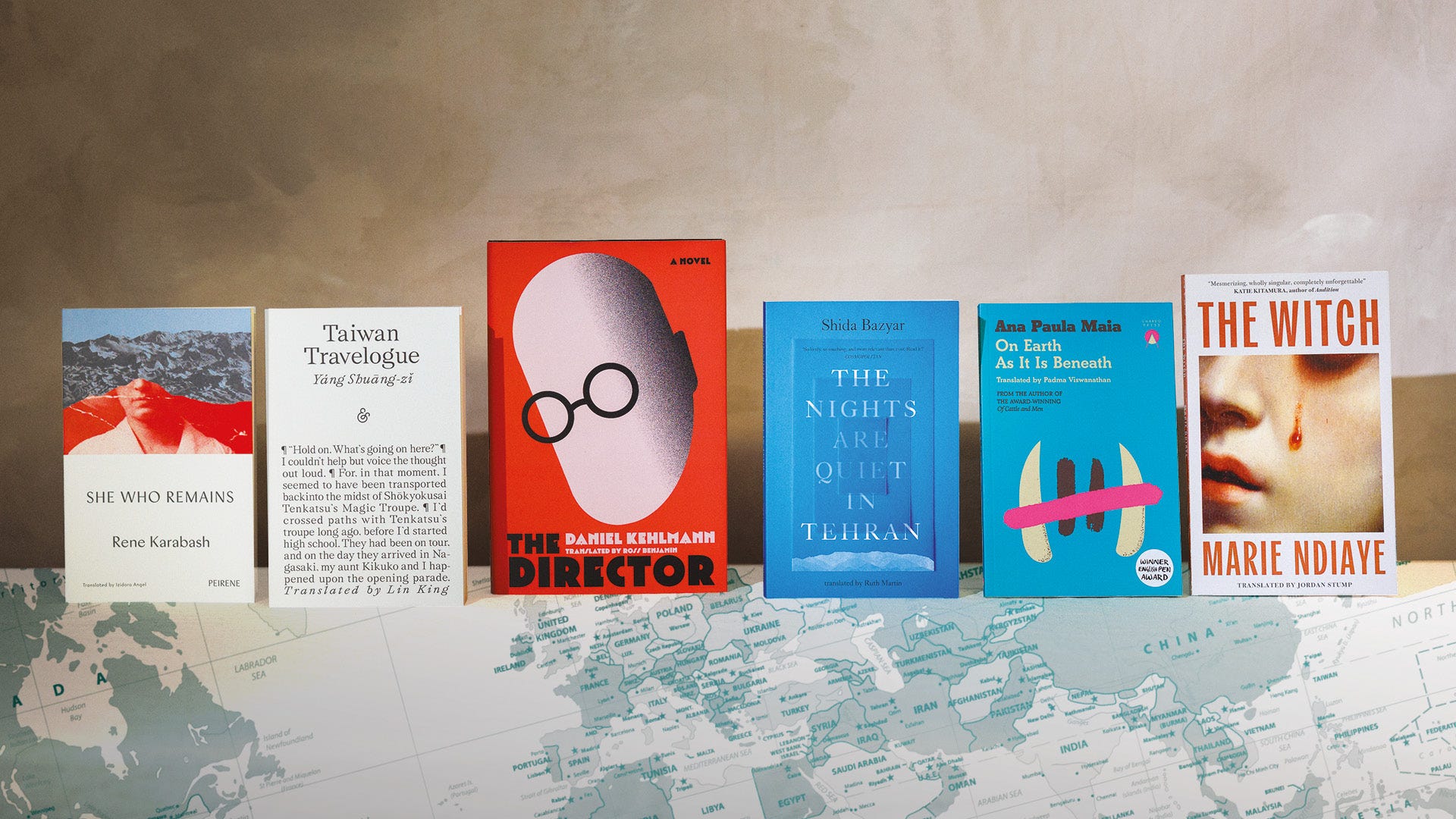
For this year’s prize, we chose ‘Fiction beyond borders’ as our theme. We wanted to celebrate the way translated fiction opens us up to different experiences and perspectives, creating connections across continents. We asked the authors and translators shortlisted for the International Booker Prize 2026 what ‘fiction beyond borders’ means to them. Here’s what they said.
Celebrating 10 years of the International Booker Prize


Last Friday we hosted a special International Booker Prize 10th anniversary event at the Southbank Centre in London. Singer-songwriter and founder of Service95 Dua Lipa opened the evening with a speech on the power of translated fiction, before translators Deepa Bhasthi (2025 winner) and Daniel Hahn (a three-time nominee and 2017 judge) discussed the art of translation.
Author David Diop (2021 winner) and historian Olivette Otele (2021 judge) spoke about At Night All Blood is Black and the nuances of thinking and writing in different languages. And publisher Jacques Testard and agent Laurence Laluyaux were in conversation with our Chief Executive Gaby Wood, talking about how they helped bring the work of Han Kang and Olga Tokarczuk to the UK.
We closed with an extract from the first winner of the International Booker Prize in its current form, The Vegetarian, read by actor Simone Ashley. We’ll be sharing a video of the full event soon.
International Booker Prize shortlist readings – this evening!
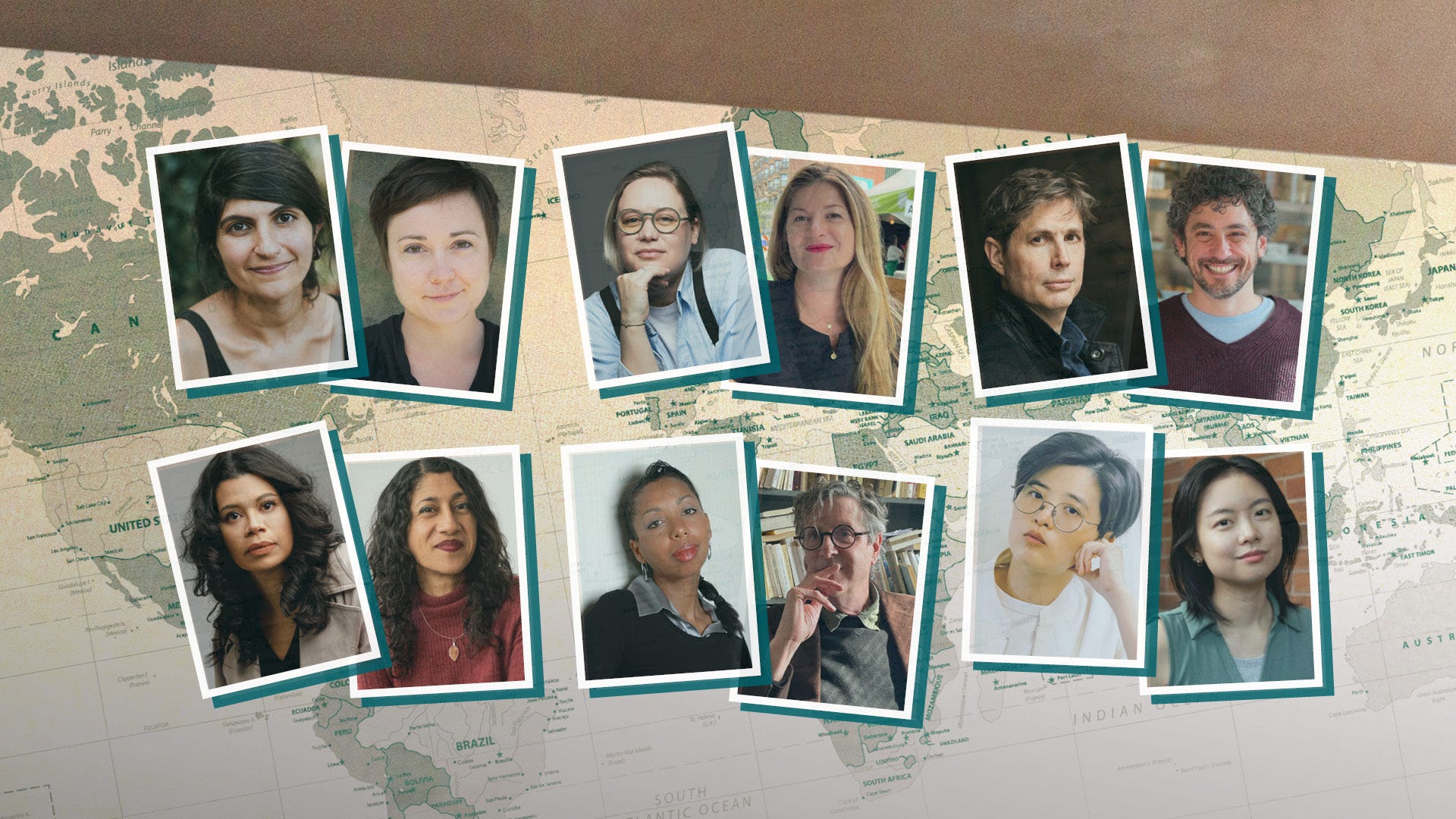
Most of the authors and translators shortlisted for this year’s International Booker Prize have now arrived in the UK and are heading west for our annual shortlist readings event, this year held for the first time in Bristol. If you’re also heading to the Bristol Beacon this evening – we’ll see you there! If you’re joining us online, the livestream will start at 6.30pm BST on our YouTube channel.
How do you find ways to fit more fiction into your life? What does ‘fiction beyond borders’ mean to you? Who do you think will win this year’s International Booker Prize? We absolutely love hearing from you – share your thoughts and predictions in the comments!
“Fiction beyond borders” is why I keep returning to translated literature. Sometimes a novel written thousands of miles away understands loneliness, exile, love, or memory more honestly than the stories closest to us. It reminds me that human beings change languages, but not emotions.
This shortlist feels unusually strong, but I have a feeling The Director might take it. Kehlmann’s mix of art, history, and moral compromise feels exactly like the kind of novel that lingers with Booker juries. Though honestly, Taiwan Travelogue feels like the quiet dark horse — the kind of book that slowly possesses readers after the final page.
Either way, this year’s list feels less like a competition and more like six different ways of understanding what it means to be human.
Fiction without borders also establishes reading communities across borders, as the Booker is doing. And, it resists unidirectional cultural flows. Historically, dominant cultures, have crossed borders to culturally colonize populations. Fiction without borders operates to ensure that such regulatory practices are checked, and that a global reading community plays a role in determining literary value. Furthermore it ensures higher mobility for literary texts between cultures that may never have had any contact with each other. We read across borders in a variety of historical contexts, and I think fiction without borders contributes towards reading purely for pleasure ( in the profoundest sense of the word) which is very liberating.